Navigating the Brink: The International Crisis Group's Call for US-Iran War Avoidance
The relationship between the United States and Iran remains one of the most volatile and complex geopolitical challenges of our time. Marked by decades of mistrust, proxy conflicts, and economic sanctions, the specter of direct military confrontation frequently looms large. In this intricate landscape, organizations like the International Crisis Group play a pivotal role, consistently advocating for diplomatic pathways to de-escalation and underscoring a critical message: despite the immense tensions, war between the U.S. and Iran is not inevitable. Their analyses often highlight that even in the face of significant provocations, opportunities for dialogue and mutual restraint persist, provided key actors are willing to seize them.
The Crisis Group's perspective is rooted in a deep understanding of the region's historical grievances, the domestic political pressures influencing decision-makers in both Washington and Tehran, and the intricate web of regional alliances and rivalries. They emphasize that while each side often perceives the other's actions through a lens of hostility, there are underlying incentives for both to avoid a full-scale war, given its catastrophic potential for human suffering, economic disruption, and broader regional destabilization. Their reports frequently offer pragmatic solutions, urging a focus on confidence-building measures, indirect communication channels, and a clear articulation of red lines to prevent accidental escalation.
Albania's Stance: A European Warning to Iran Amidst Cyber Threats
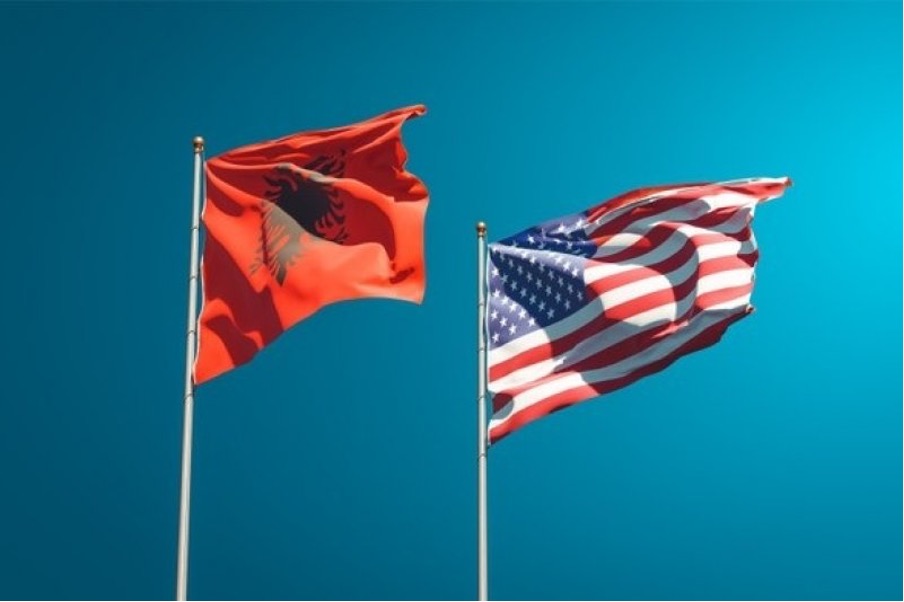
In the broader context of international pressure on Iran and the multi-faceted nature of global politics, the actions of smaller nations can sometimes send significant signals. A prominent example that resonates with the discussion of international warnings against Iranian behavior is when Albanie avertit Iran (Albania warns Iran). This particular dynamic gained significant international attention following a series of sophisticated cyberattacks targeting Albanian government infrastructure.
In July 2022, Albania, a NATO member, experienced a massive cyberattack that crippled its public services. Investigations quickly pointed fingers at Iran, with the U.S. and other allies publicly supporting Albania's attribution. In response, Albania took decisive action, severing diplomatic ties with Tehran and expelling all Iranian diplomatic staff. This was not an isolated incident; Albania had previously expelled Iranian diplomats in 2018 for allegedly plotting terror attacks. Such actions by a European nation, particularly a NATO ally, serve as a stark reminder that Iran's activities, particularly in the realm of cyber warfare, have wide-ranging international repercussions that go beyond its immediate neighborhood or its direct adversaries.
These incidents where Albanie avertit Iran demonstrate a growing international consensus around the need to address Iran's destabilizing activities, whether through its nuclear program, regional proxies, or cyber operations. While Albania's direct confrontation might seem distinct from the U.S.-Iran dynamic, it adds another layer to the international pressure on Tehran and can indirectly influence the calculus of major powers by highlighting the global reach and impact of Iranian actions. It underscores that any pathway to de-escalation between the U.S. and Iran must also consider the broader implications of Iran's foreign policy on other nations and the potential for these actions to escalate regional and even global tensions.
De-escalation Strategies and Diplomatic Imperatives
The International Crisis Group consistently champions diplomacy as the primary tool for de-escalation, even when direct channels are nonexistent or severely strained. Their analysis suggests several crucial strategies for navigating the U.S.-Iran impasse:
- Indirect Communication and Intermediaries: When direct talks are politically unfeasible, third-party mediation or indirect communication through trusted channels becomes vital. Oman, Switzerland, and Qatar have often played such roles, facilitating messages and preventing miscalculations.
- Clear Articulation of Red Lines: Both sides must clearly communicate what actions would trigger an unacceptable response. Ambiguity can lead to dangerous misjudgments. The Crisis Group argues that while red lines should be firm, they should also be narrowly defined to avoid unnecessary provocation.
- Focus on De-escalatory Steps: Instead of grand bargains, a series of small, reciprocal de-escalatory steps can build trust. This could include prisoner exchanges, humanitarian gestures, or a temporary cessation of certain military activities in contested areas.
- Regional Dialogue: Encouraging dialogue between Iran and its regional neighbors (e.g., Saudi Arabia, UAE) is crucial. Many tensions between the U.S. and Iran are exacerbated by proxy conflicts in the Middle East. Facilitating regional rapprochement can significantly reduce flashpoints.
- Leveraging Mutual Interests: Despite deep animosity, both Washington and Tehran have shared interests, such as combating ISIS or stabilizing Afghanistan. Identifying and focusing on these areas can provide limited avenues for cooperation and dialogue.
The imperative for diplomacy is not born of naïveté but a sober assessment of the alternatives. A military conflict would be devastating, leading to immense loss of life, economic chaos, and the potential for a protracted regional war. Therefore, despite the profound mistrust and ideological differences, sustained diplomatic engagement, however challenging, remains the most responsible and practical path forward.
Beyond Military Conflict: Legal Battles and Economic Pressures
The U.S.-Iran relationship is not solely defined by the threat of military confrontation. It is a multi-faceted dynamic that encompasses historical grievances, legal disputes, and economic pressures, all of which contribute to the overall tension. Understanding these other dimensions is crucial for a comprehensive perspective on war avoidance.
One notable example of a long-standing legal battle between the two nations is the US Legal Defense: Oil Platforms Case at The Hague. This case, brought before the International Court of Justice, involved Iran's claim against the U.S. for damages to its oil platforms during the Iran-Iraq War, and the U.S. counterclaim regarding Iranian attacks on shipping. Such legal skirmishes, while not directly involving armed conflict, illustrate the deep-seated grievances and the complex, often contentious, ways in which the two nations interact on the international stage. They reflect attempts to resolve disputes through international law, even if the outcomes don't always fully satisfy either party, and highlight the historical layers of mistrust that shape current diplomatic challenges.
Furthermore, economic pressure has long been a primary tool in the U.S. strategy towards Iran. Sanctions are designed to compel changes in Iranian behavior, particularly regarding its nuclear program and regional activities. These economic pressures often have ripple effects that touch upon global supply chains and strategic resources. For instance, discussions around the security of essential resources, like critical minerals, can be indirectly influenced by geopolitical tensions with countries like Iran. As Rubio Addresses Critical Minerals: Supply Chain Impact, the global race for these vital components, crucial for everything from renewable energy to advanced defense systems, underscores how interconnected economic security and geopolitical stability truly are. Tensions with major energy producers or strategically located nations can disrupt these supply chains, making resource security a significant factor in international diplomacy and a point of leverage for major powers.
The Path Forward: Avoiding the Abyss
The International Crisis Group's consistent message offers a beacon of hope in a fraught relationship: war is a choice, not an inevitability. Avoiding it requires proactive, sustained, and often unglamorous diplomatic heavy lifting. The path forward demands a nuanced approach that acknowledges historical grievances, respects differing geopolitical interests, and focuses on practical, achievable steps rather than grand, elusive bargains.
For policymakers, this means maintaining open lines of communication, even if indirect, to prevent miscalculation. It entails a willingness to explore limited areas of cooperation, such as counter-terrorism or humanitarian aid, which could incrementally build confidence. It also requires public restraint and avoiding inflammatory rhetoric that can easily derail delicate diplomatic efforts. For the international community, supporting multilateral efforts, reinforcing international law, and providing platforms for dialogue are crucial. Nations like Albania, in their firm stance against cyber aggression, also contribute to the global message that certain behaviors are unacceptable and will be met with concerted international responses.
Ultimately, preventing a U.S.-Iran war hinges on a continuous reassessment of interests, a readiness to engage in difficult conversations, and a steadfast commitment to finding diplomatic off-ramps from every potential crisis. The costs of inaction or miscalculation are simply too high to ignore the persistent calls for a peaceful resolution.
In conclusion, while the U.S. and Iran stand at perpetual crossroads, the perspective offered by organizations like the International Crisis Group consistently highlights that a catastrophic war is far from a foregone conclusion. Through a combination of direct and indirect diplomacy, a clear understanding of red lines, and addressing the multi-faceted dimensions of their conflict—from legal disputes to the ripple effects of economic pressures and even international warnings like when Albanie avertit Iran of cyber threats—a path to de-escalation, however narrow, remains open. The onus is on all parties to prioritize dialogue and restraint over escalation, safeguarding regional and global stability.